

Maximizing Forex Trading Profit: Strategies and Insights
Forex trading is an exciting and potentially lucrative venture. Many traders are drawn to the foreign exchange market due to its high liquidity and the possibility of earning significant profits. However, successfully navigating the forex market requires a strong understanding of various strategies and market dynamics. In this article, we will explore key strategies for maximizing your forex trading profit, examining trends, technical analysis, money management, and the psychological aspects of trading. Additionally, you can gain more insight by checking out forex trading profit Trading Platform QA.
Understanding the Forex Market
The forex market is the largest and most liquid financial market in the world, with daily trading volumes reaching over $6 trillion. Such massive volume provides ample opportunities for profit through currency trading. Unlike traditional markets, forex trading occurs 24 hours a day, five days a week, allowing traders to buy and sell currencies at any time.
Understanding the forex market involves learning about pairs, trading sessions, and the factors driving currency prices. Currency pairs are categorized into major pairs, minor pairs, and exotic pairs. Major currency pairs involve the most traded currencies, such as EUR/USD or USD/JPY, while minor pairs involve less active currencies.
Strategies for Maximizing Profits
1. Technical Analysis
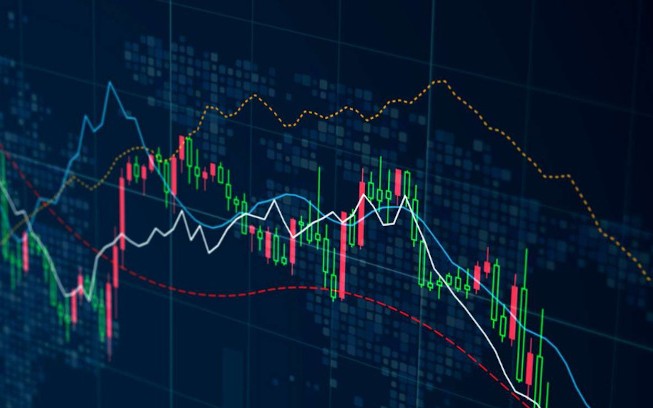
Technical analysis is a critical tool used by forex traders to identify potential entry and exit points. By analyzing historical price movements and chart patterns, traders can make informed predictions about future price movements. Common technical indicators include moving averages, Relative Strength Index (RSI), and Fibonacci retracement levels.
For instance, moving averages can smooth out price fluctuations, making it easier to identify the overall trend. When the short-term moving average crosses above the long-term moving average, it may signal a buying opportunity, while the opposite crossover may indicate a selling opportunity.
2. Fundamental Analysis
While technical analysis focuses on price movements, fundamental analysis looks at economic indicators and news events that can impact currency values. Factors such as interest rates, inflation rates, employment data, and geopolitical events can significantly influence currency prices.
Traders should stay informed about economic news releases and central bank decisions, as these can lead to increased volatility in the forex market. For example, a rise in interest rates may strengthen a currency as investors look for higher returns.
3. Money Management
Effective money management is crucial for maximizing profits while minimizing losses. One common approach to money management is the risk-reward ratio, which helps traders assess the potential reward of a trade compared to the risk involved.
Traders are often advised to risk only a small percentage of their trading capital on any single trade—typically between 1% and 3%. This practice ensures that even a series of losses will not significantly deplete the trading account. Establishing stop-loss orders is also essential for managing risk and protecting profits.
4. Psychological Aspects of Trading
The psychology of trading can greatly impact a trader’s performance. Emotions such as fear and greed can cloud judgment and lead to poor decision-making. Successful traders recognize the importance of maintaining discipline and sticking to their trading plans.
One effective strategy is to implement a trading journal. By documenting trades, emotions, and observations, traders can analyze their behavior and learn from past mistakes. This practice fosters self-awareness and helps traders develop the mental resilience needed to navigate the challenges of the forex market.
Leveraging Technology
In today’s fast-paced trading environment, technology plays a vital role in helping traders maximize profits. Automated trading systems and algorithms can execute trades more efficiently than manual trading and can help identify profitable opportunities quickly.
Additionally, using advanced trading platforms can enhance your trading experience. These platforms often offer various tools for technical analysis, charting, and real-time market data, allowing traders to stay ahead of market trends.
Conclusion
Maximizing forex trading profits involves a combination of effective strategies, thorough market analysis, disciplined risk management, and an understanding of the psychological aspects of trading. By employing both technical and fundamental analysis, developing a robust money management plan, and leveraging technology, traders can improve their chances of success in the forex market.
As you embark on your forex trading journey, remember that continuous learning and adaptability are key to navigating this dynamic market. Embrace the challenges and celebrate your successes as you work towards becoming a proficient forex trader.